











Calibrating your sprayer is the only way to know the right amount of product is going on the paddock. Too much wastes chemical and money. Too little means a job you’ll have to do twice.
If you’ve already checked your nozzles, pump oil and filters, calibration is the next step before your first spray of the season. It takes three simple steps and a measuring jug.
How do you calibrate a sprayer?
1. Fill with clean water
Always calibrate with water only, never chemical. Run the sprayer at your normal operating pressure and engine speed, so the results match how you actually spray.
2. Measure your nozzle output
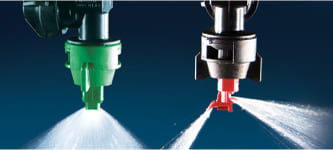
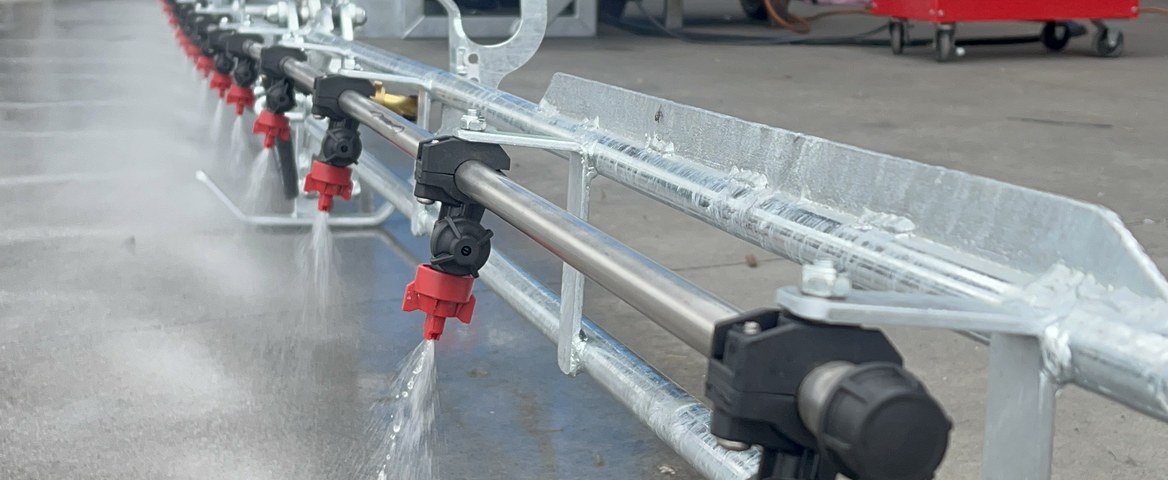
Using a measuring jug, catch the output from each nozzle for one minute. Compare the results across the boom. Any nozzle putting out noticeably more or less than the rest is worn or blocked and needs cleaning or replacing.
3. Check your travel speed
Time yourself over a measured distance in the paddock, in the gear and at the revs you normally spray at. Travel speed directly changes your application rate, so it needs to match your setup.
Once you have your nozzle output and travel speed, check them against your target application rate before you mix any spray product. Your sprayer manual will help you work through the numbers.
How often should you calibrate your sprayer?
Calibrate at the start of every season, whenever you change nozzles, and any time your application rate doesn’t add up at the end of a job. Nozzles wear gradually, so regular checks through the season help keep your rate on target.
Why does calibration matter?
- Less waste: you only use the spray product the job needs.
- Better results: the right rate gives you effective control the first time.
- Fewer surprises: worn nozzles and gauge problems show up before they cost you